
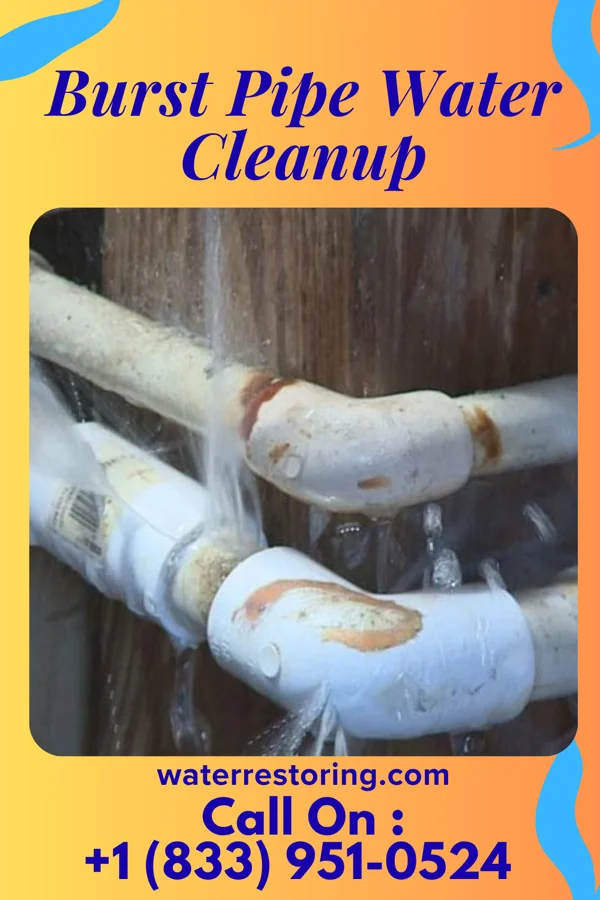
Milaca Pipe Burst Risk Drivers
Water damage in Milaca tends to cluster in predictable windows because of the local climate. Milaca, Minnesota, experiences a mix of seasonal temperature fluctuations that can stress aging plumbing systems, particularly during late spring and early fall when temperature swings are most extreme. The rural setting also means that some homes may have older infrastructure, increasing the likelihood of pipe bursts during these transitional seasons. A close second is The presence of nearby towns like Foreston, Pease, and Bock means that some residents may have extended water lines or shared systems that can be affected by regional pressure changes. Additionally, the area's relatively low population density can lead to delayed responses to pipe bursts, increasing the risk of significant water damage..
Milaca's climate, characterized by cold winters and warm summers, creates conditions where pipe bursts are a common concern. The seasonal thawing and freezing of ground can affect underground pipes, while temperature changes inside homes can cause stress on indoor plumbing systems.
Milaca's climate, characterized by cold winters and warm summers, creates conditions where pipe bursts are a common concern. The seasonal thawing and freezing of ground can affect underground pipes, while temperature changes inside homes can cause stress on indoor plumbing systems. The dominant local driver is Milaca, Minnesota, experiences a mix of seasonal temperature fluctuations that can stress aging plumbing systems, particularly during late spring and early fall when temperature swings are most extreme. The rural setting also means that some homes may have older infrastructure, increasing the likelihood of pipe bursts during these transitional seasons., with The presence of nearby towns like Foreston, Pease, and Bock means that some residents may have extended water lines or shared systems that can be affected by regional pressure changes. Additionally, the area's relatively low population density can lead to delayed responses to pipe bursts, increasing the risk of significant water damage. showing up as the next most common cause. Damage builds in stages. Spread. Absorption. Microbial growth. Structural compromise. Every stage you pass through adds to the final bill.